Energy Tower APL, ACC and Admin Building
Year : 2023 l Status : On-going l Area : 66,155.56 sq.m l Est.Cost
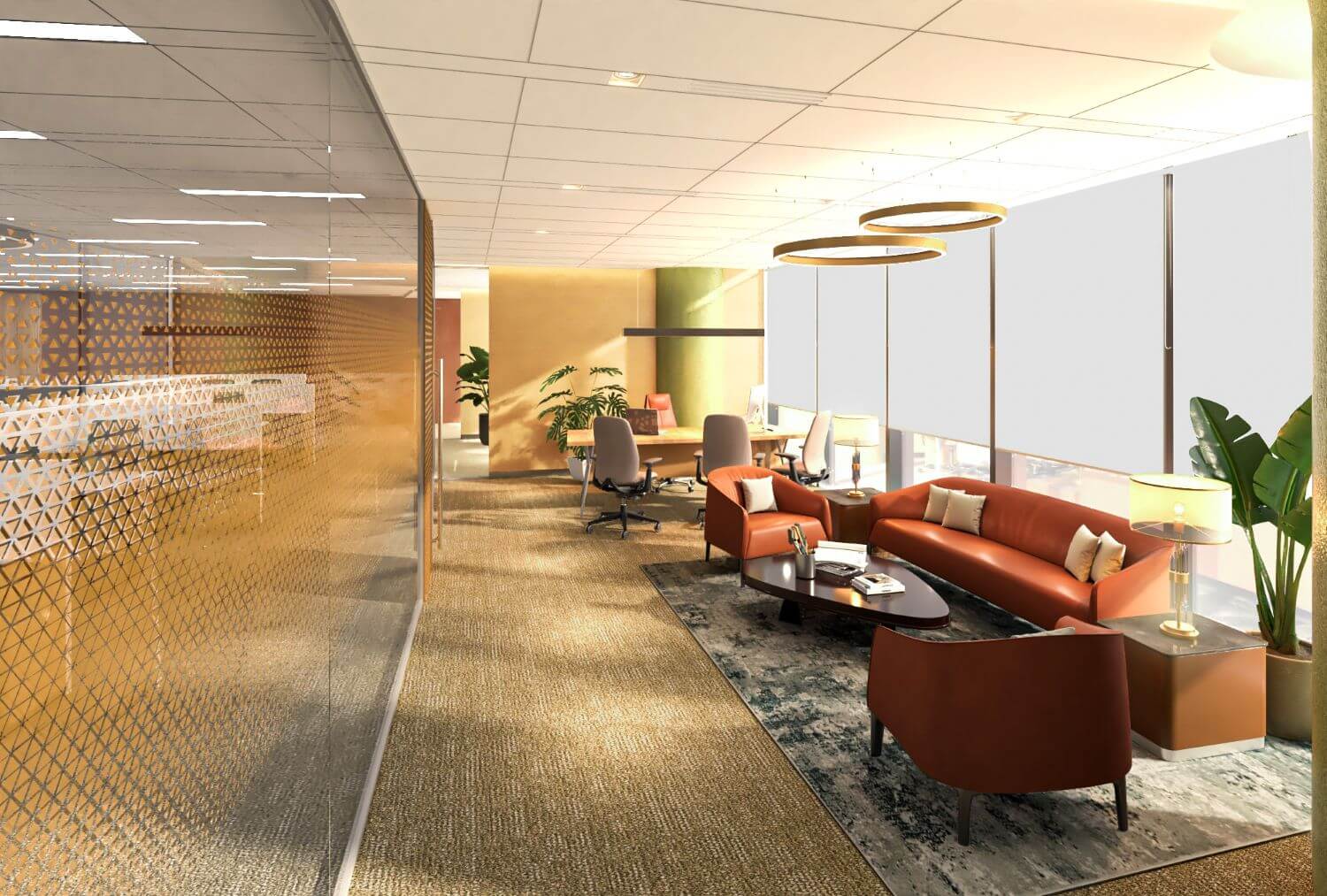
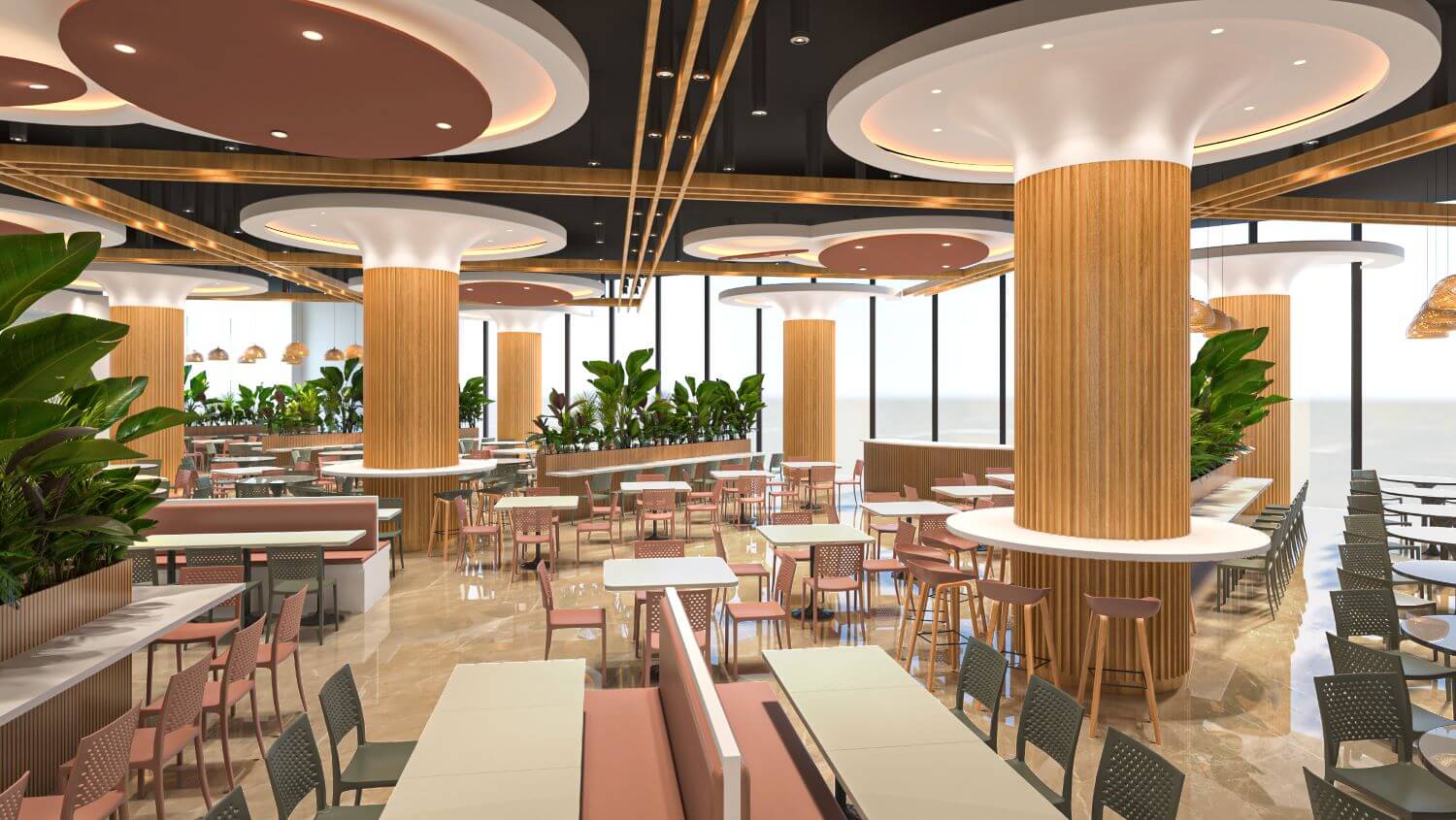
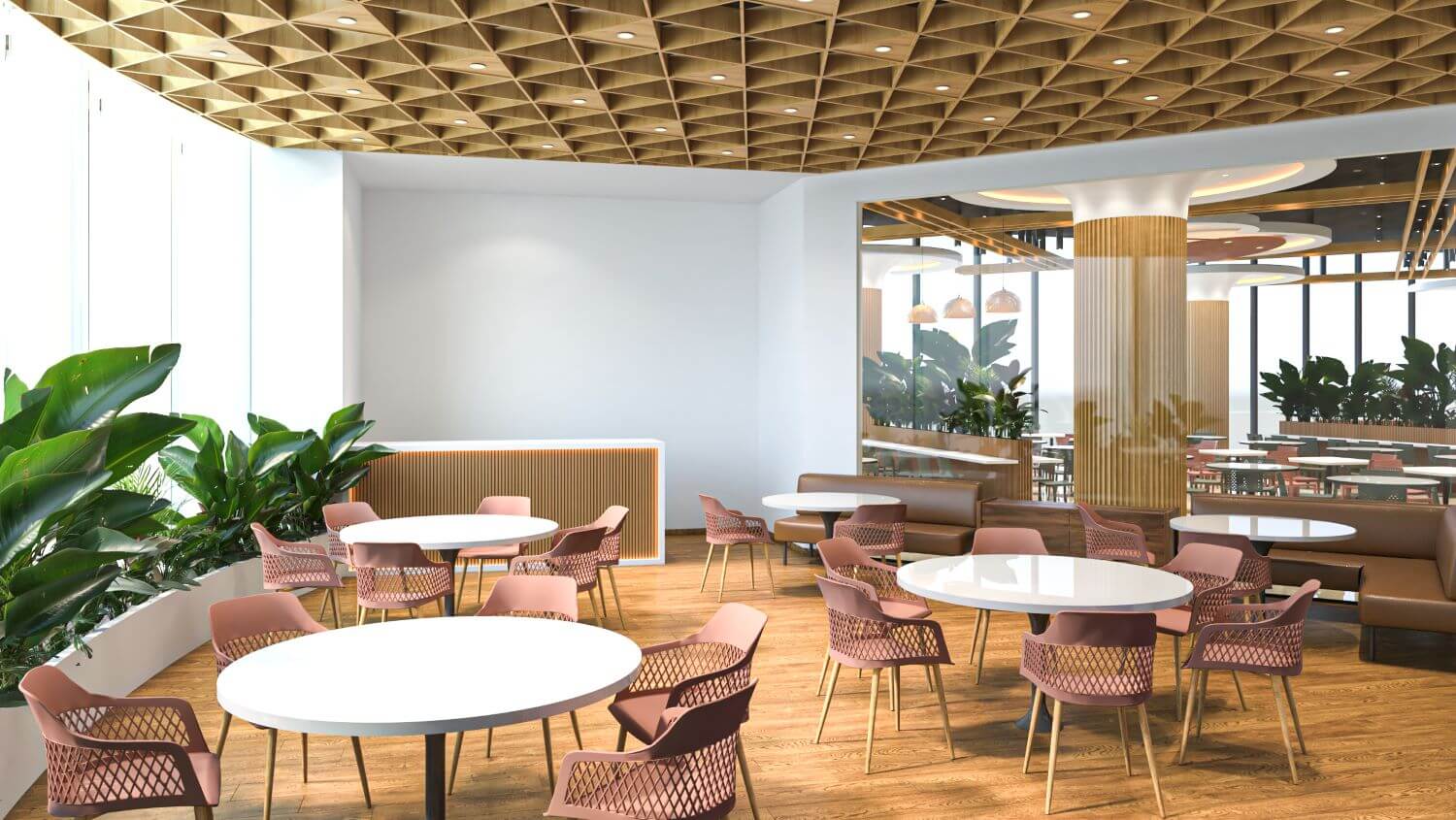
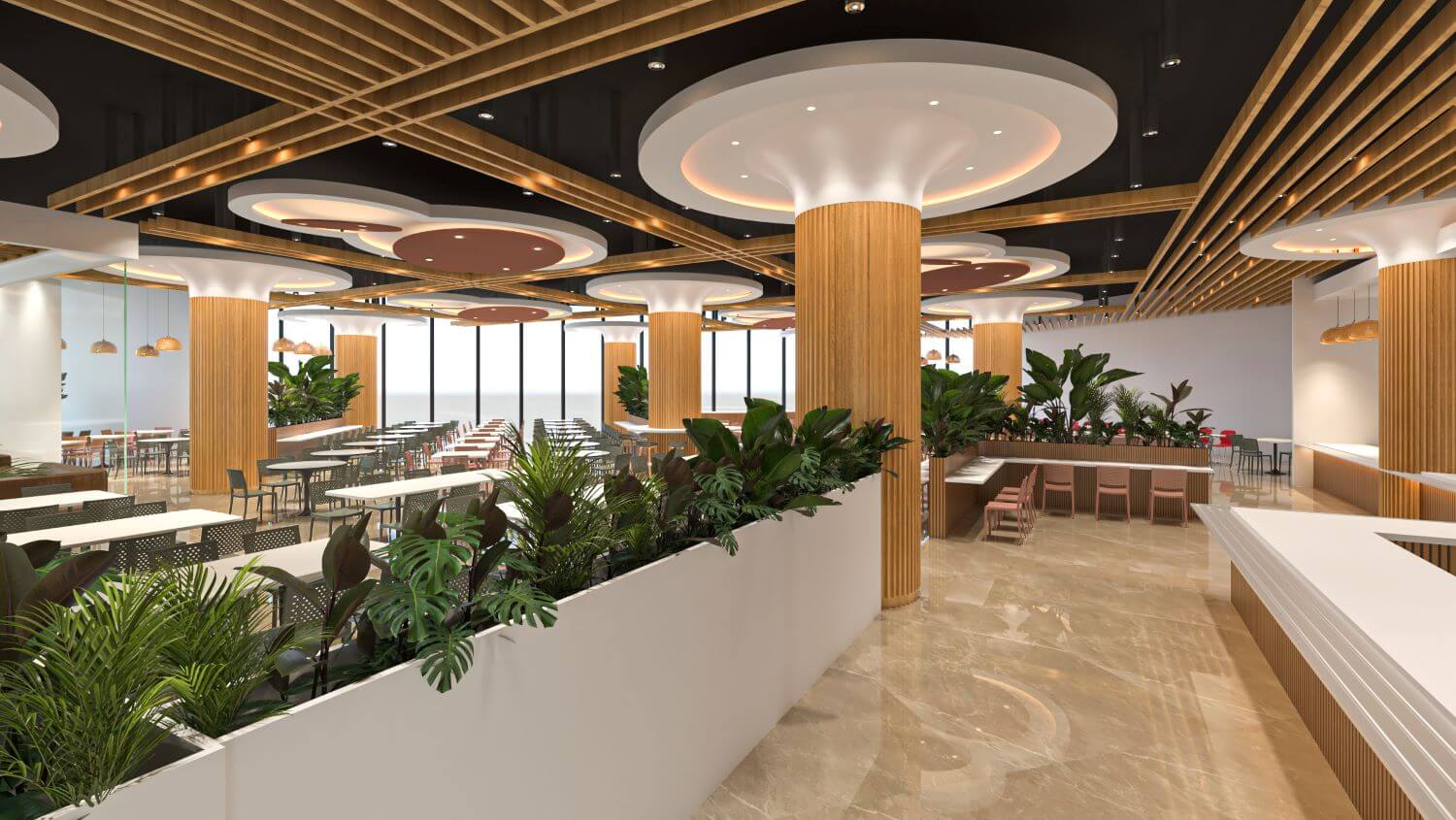
Located within the corporate campus at Adani Shantigram, Ahmedabad, the interior design proposal for the APL and ACC Towers and the Admin building reimagines the contemporary workplace as an interconnected, adaptive, and people-centric environment. Conceived across expansive office and dining floors, the design explores the relationship between movement, collaboration, and spatial hierarchy through evolving planning patterns.
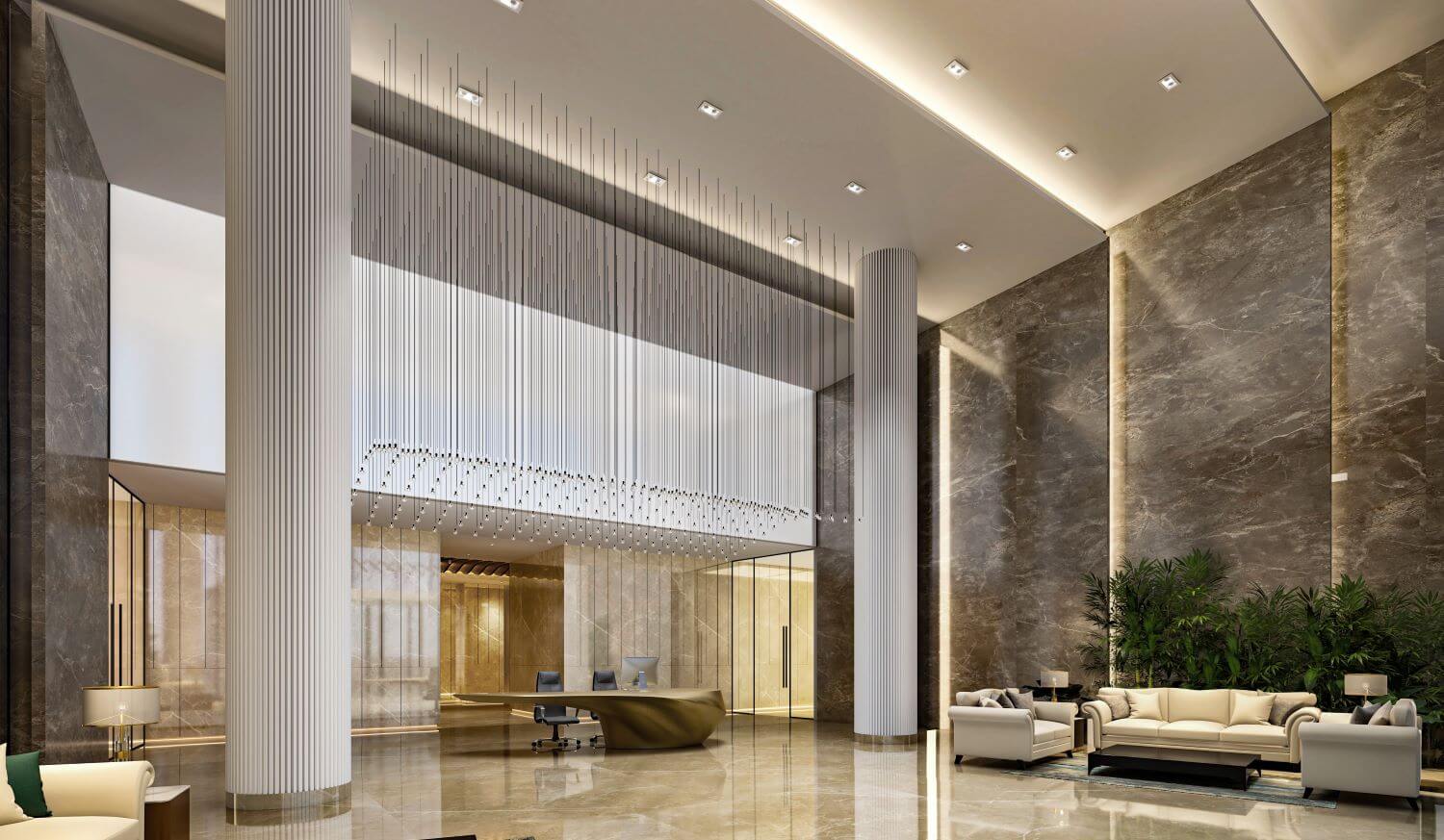
A contemporary material palette, bold geometric interventions, and curvilinear elements define the experiential quality of the interiors, creating moments of pause, connection, and identity. The design aims to break conventional workplace monotony by fostering openness, inclusivity, and fluidity — shaping a progressive corporate ecosystem that balances efficiency with employee well-being.
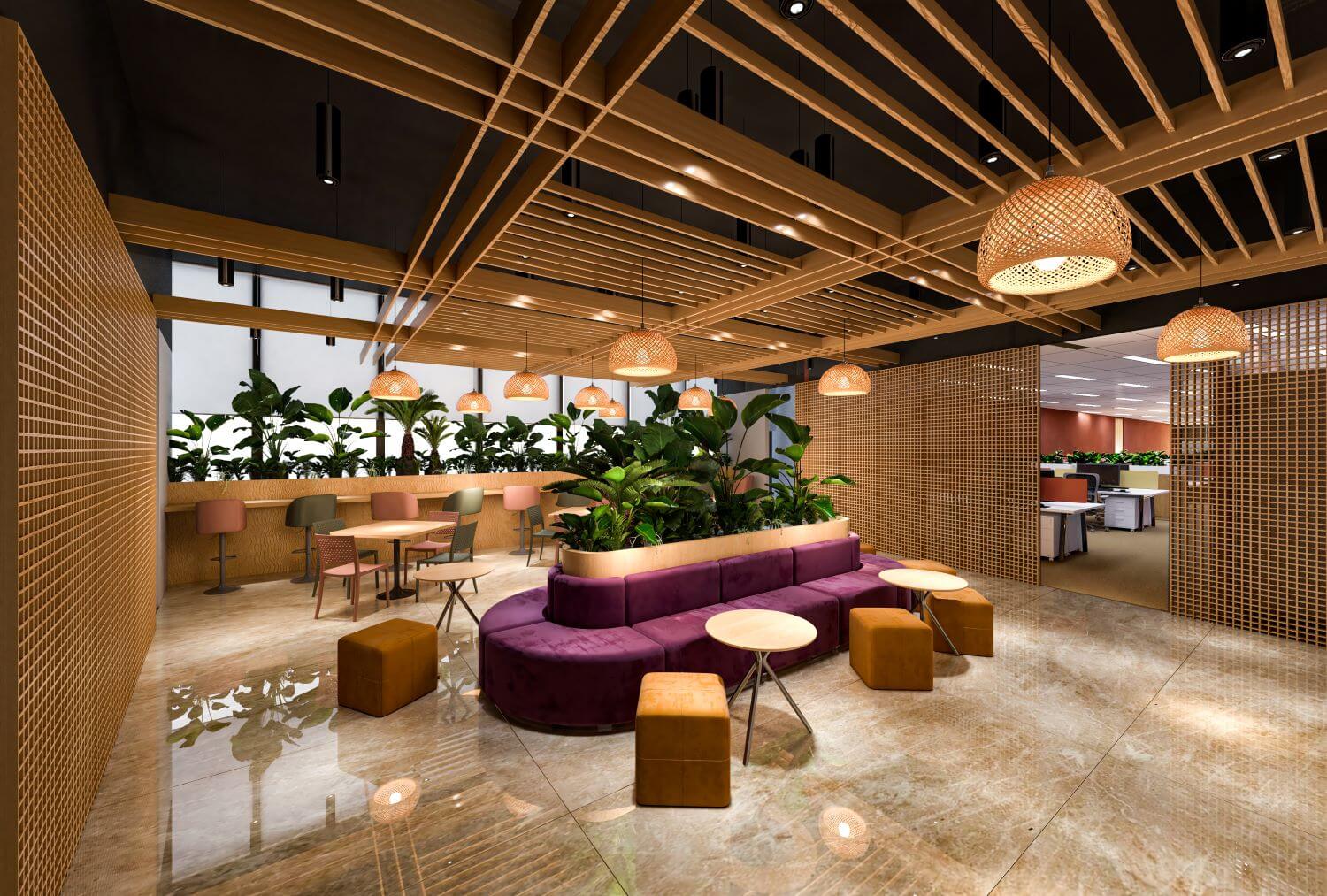
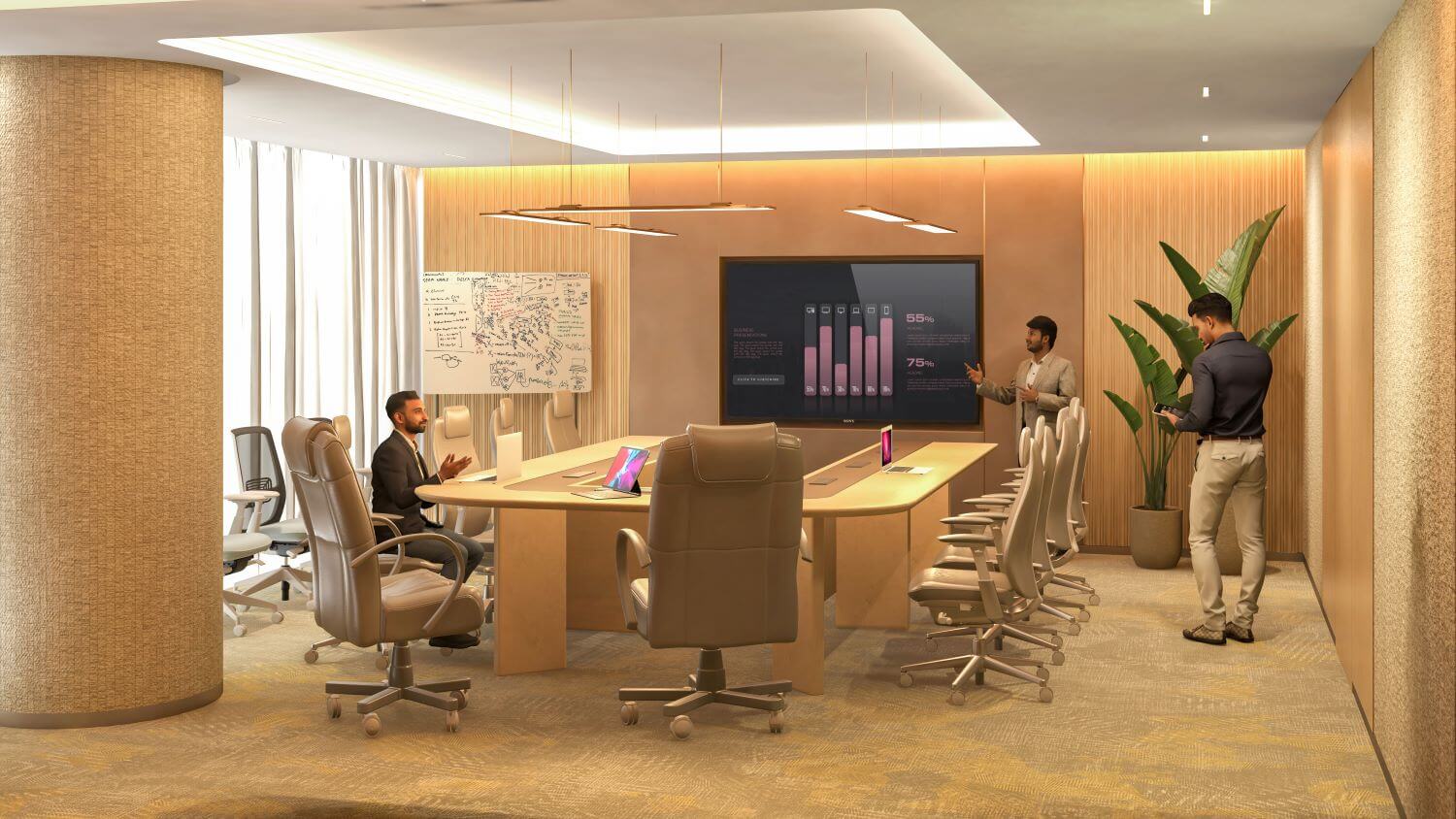
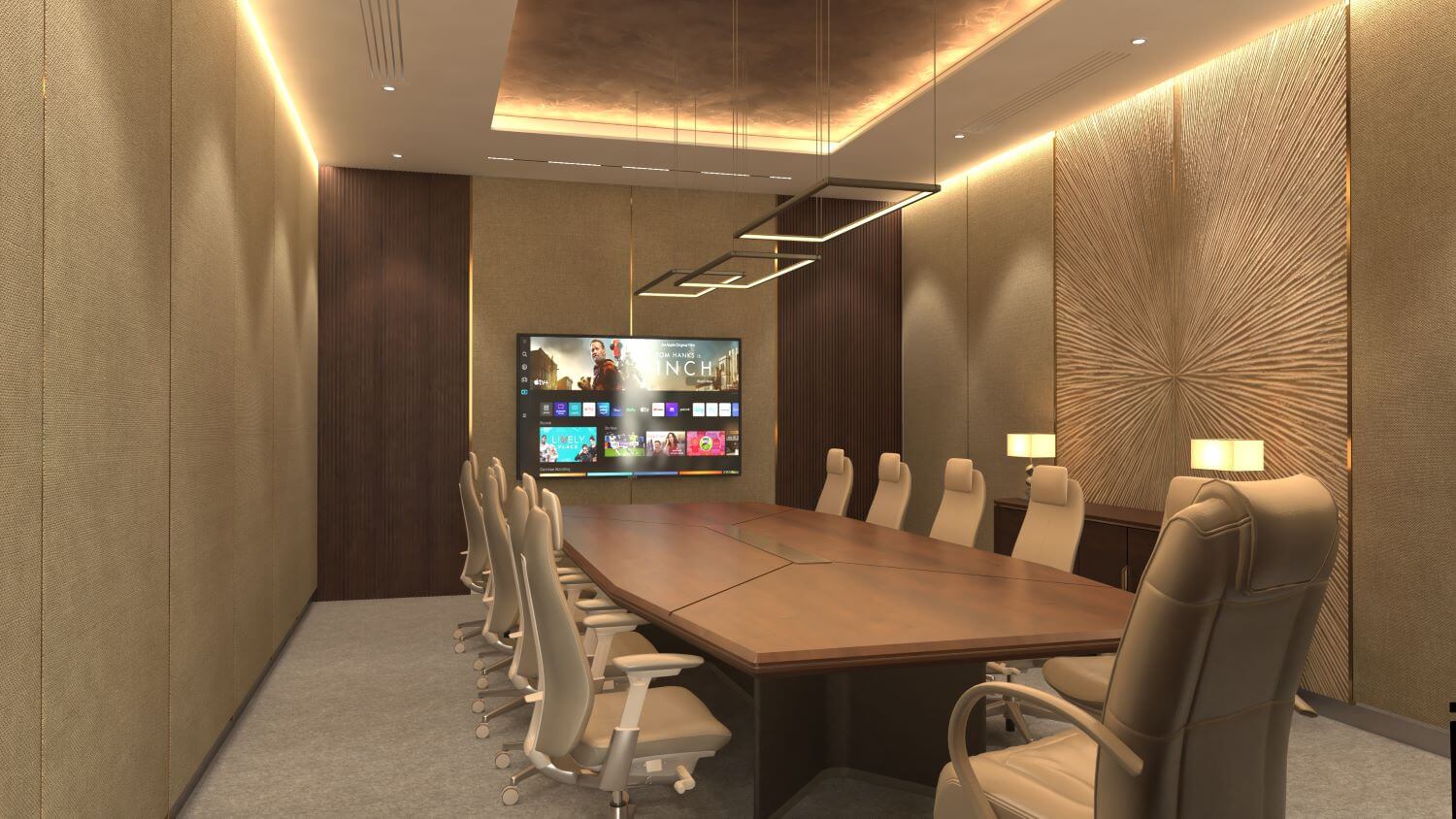
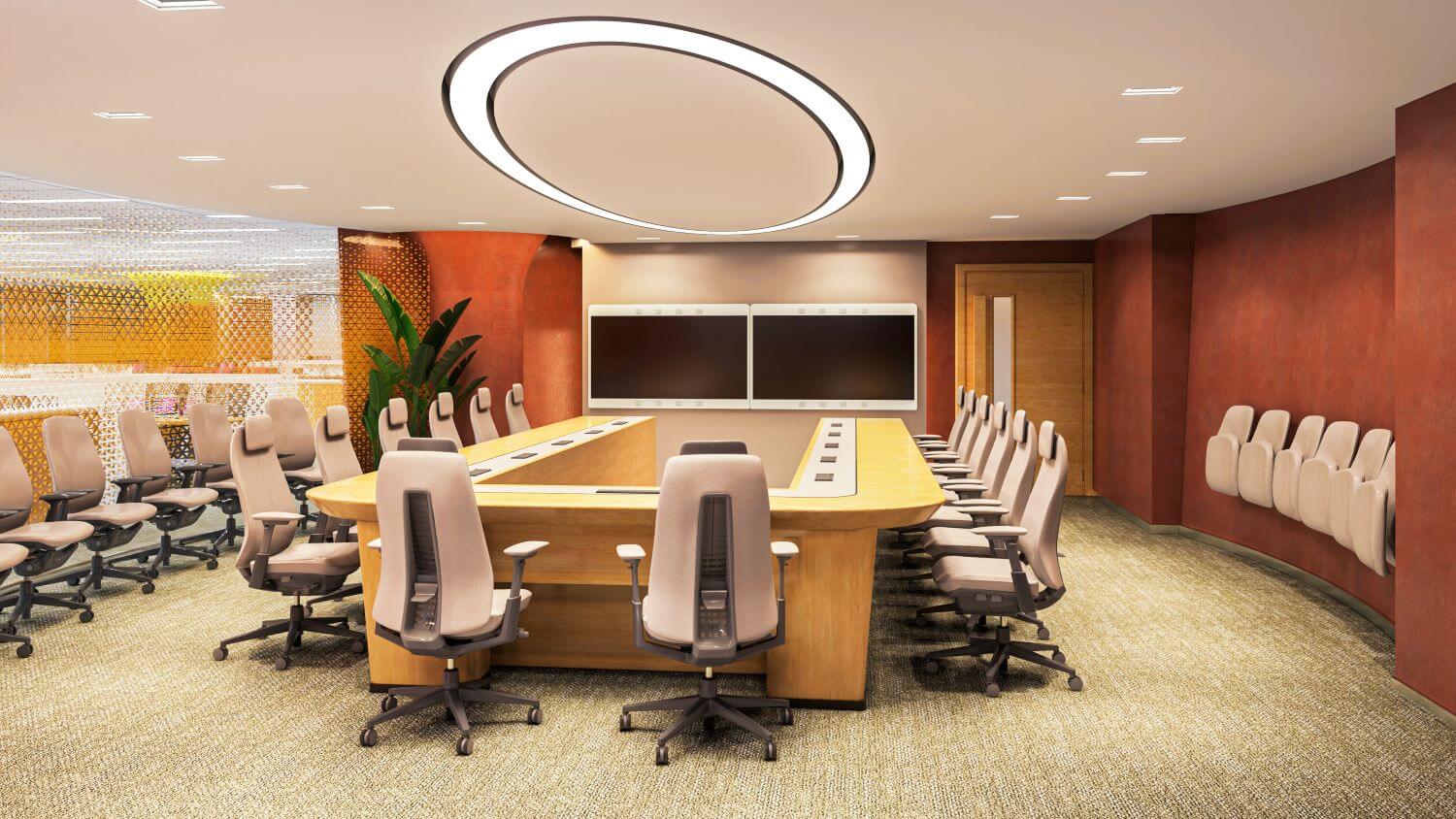
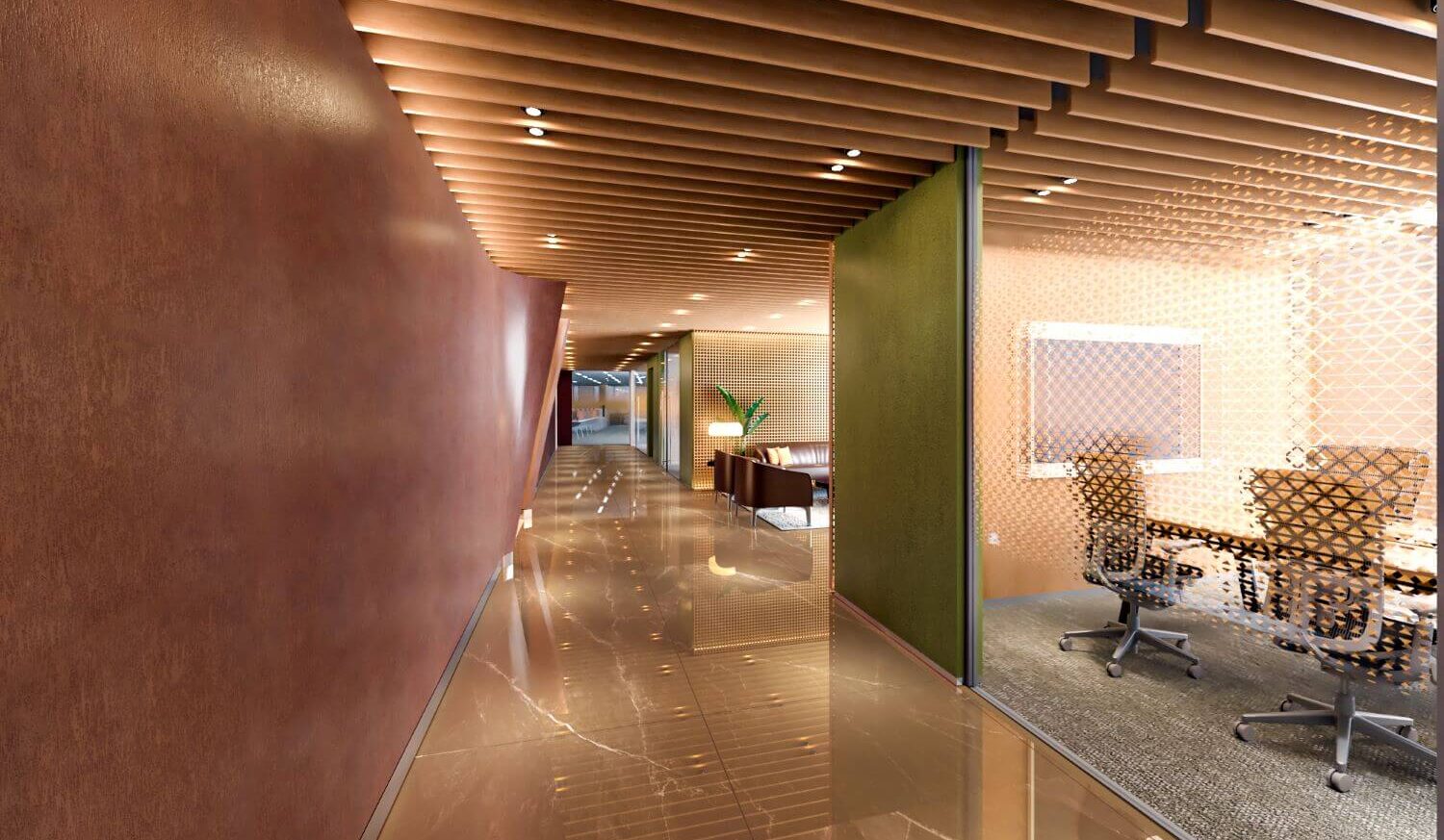
Meeting rooms, collaborative hubs, and informal discussion areas form the social and intellectual core of the workplace, designed to foster communication, innovation, and collective decision-making. The integration of formal conference rooms, discussion spaces, and open collaboration zones ensures a spectrum of interaction — from focused strategic meetings to spontaneous team exchanges. Defined through curvilinear forms, flexible seating arrangements, and visual connectivity to the larger workspace, these areas blur the boundaries between formal and informal engagement. This layered approach encourages a dynamic work culture, where ideas can evolve organically within spaces designed for adaptability and human connection.
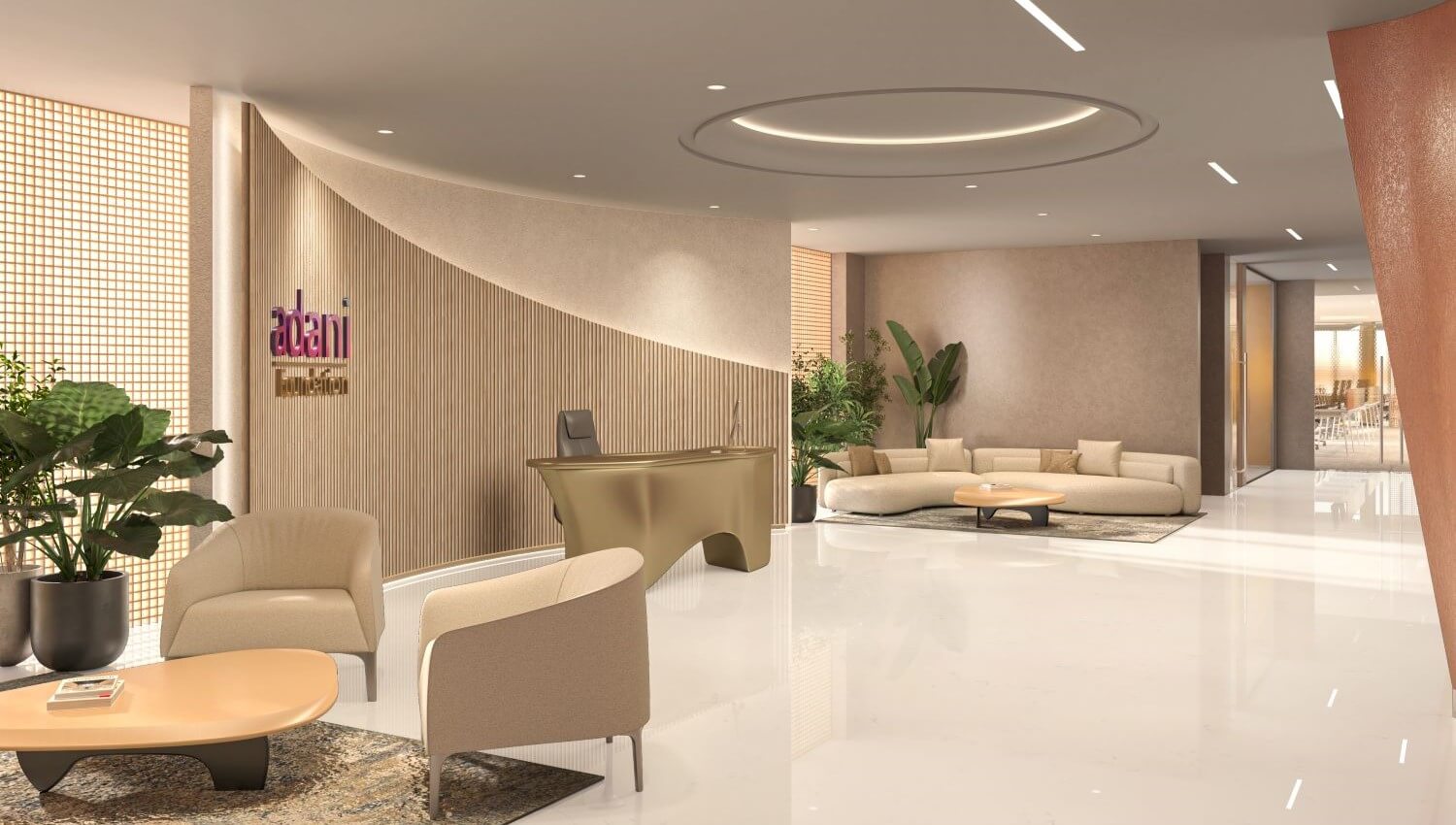
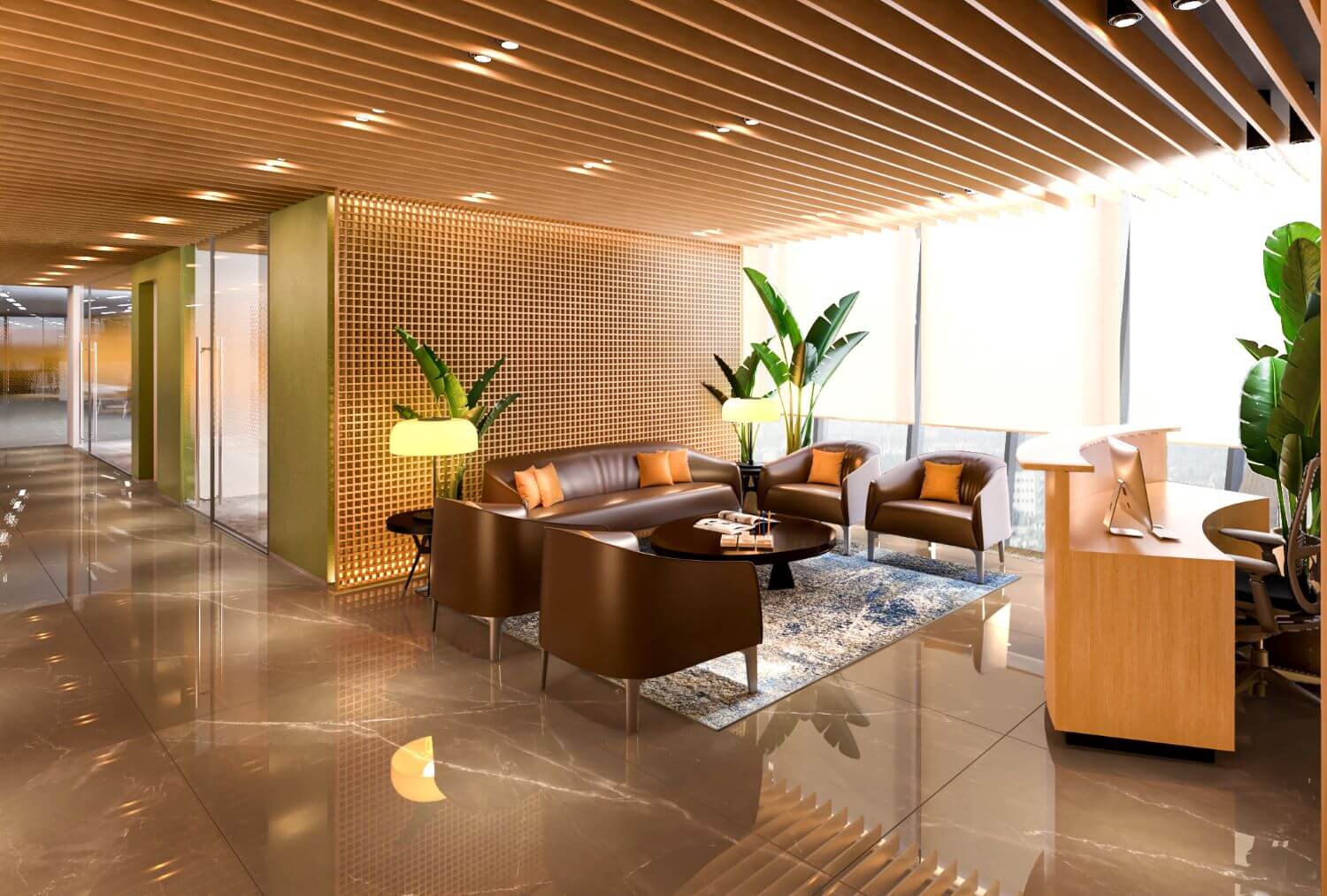
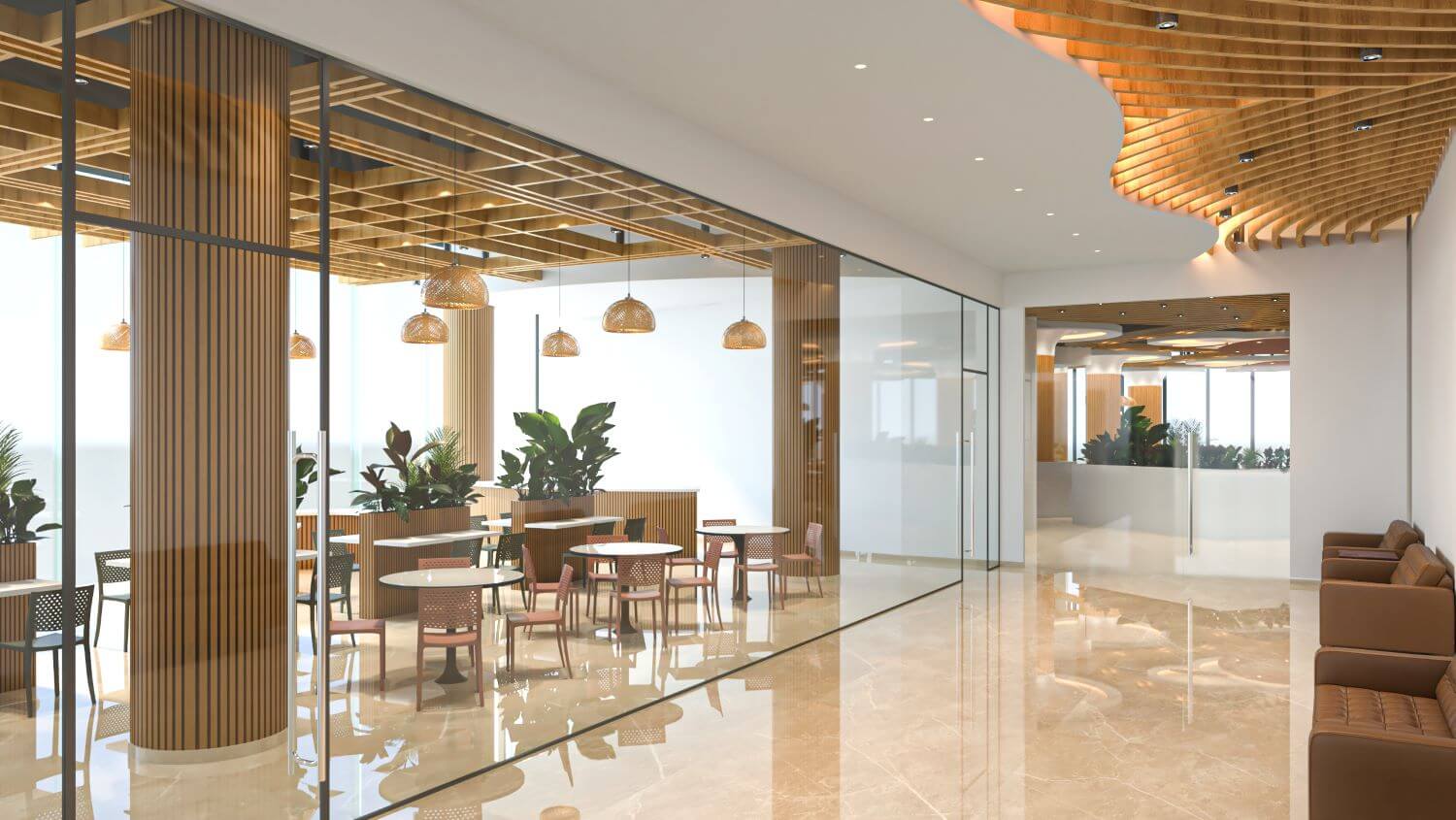
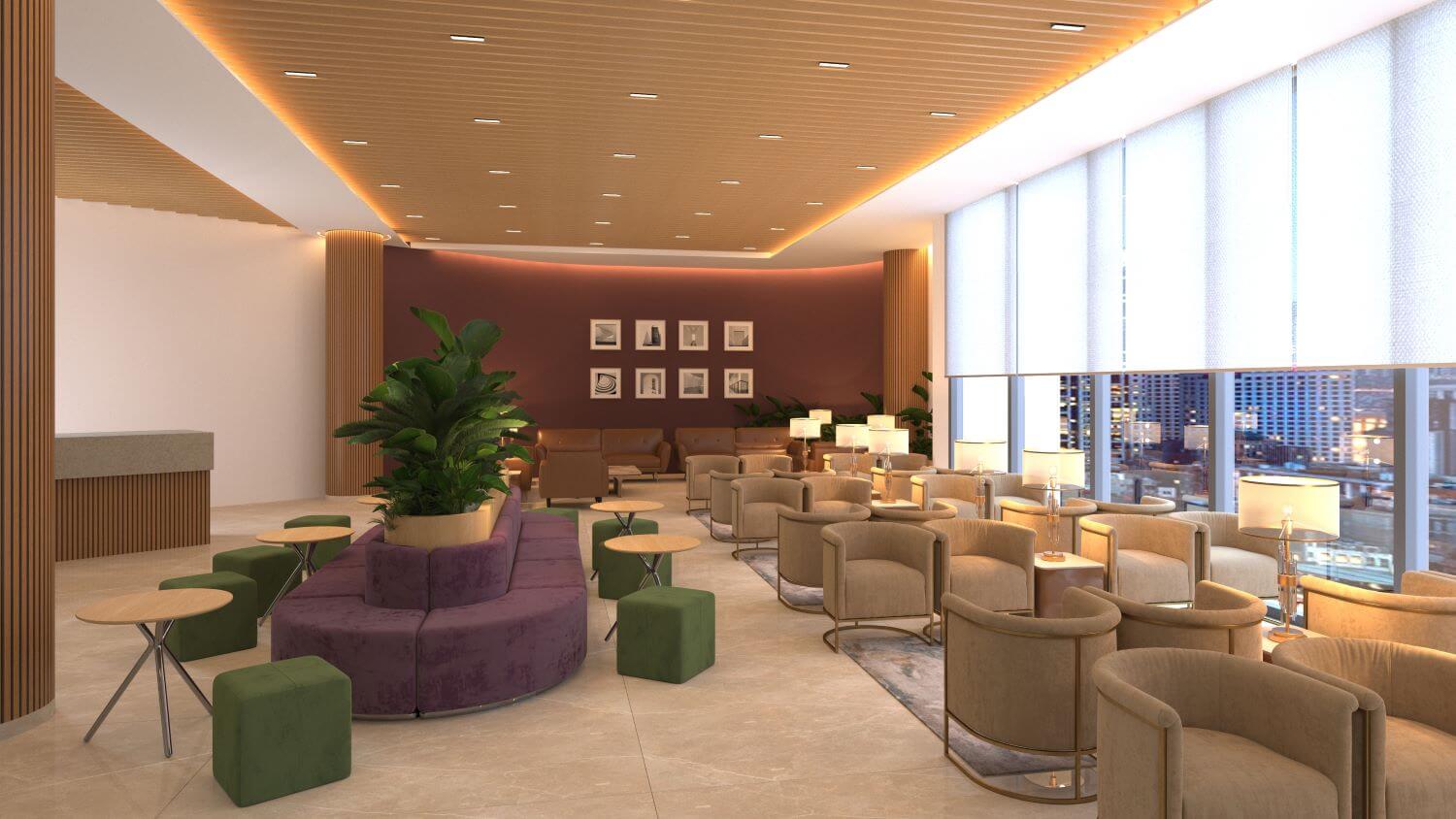
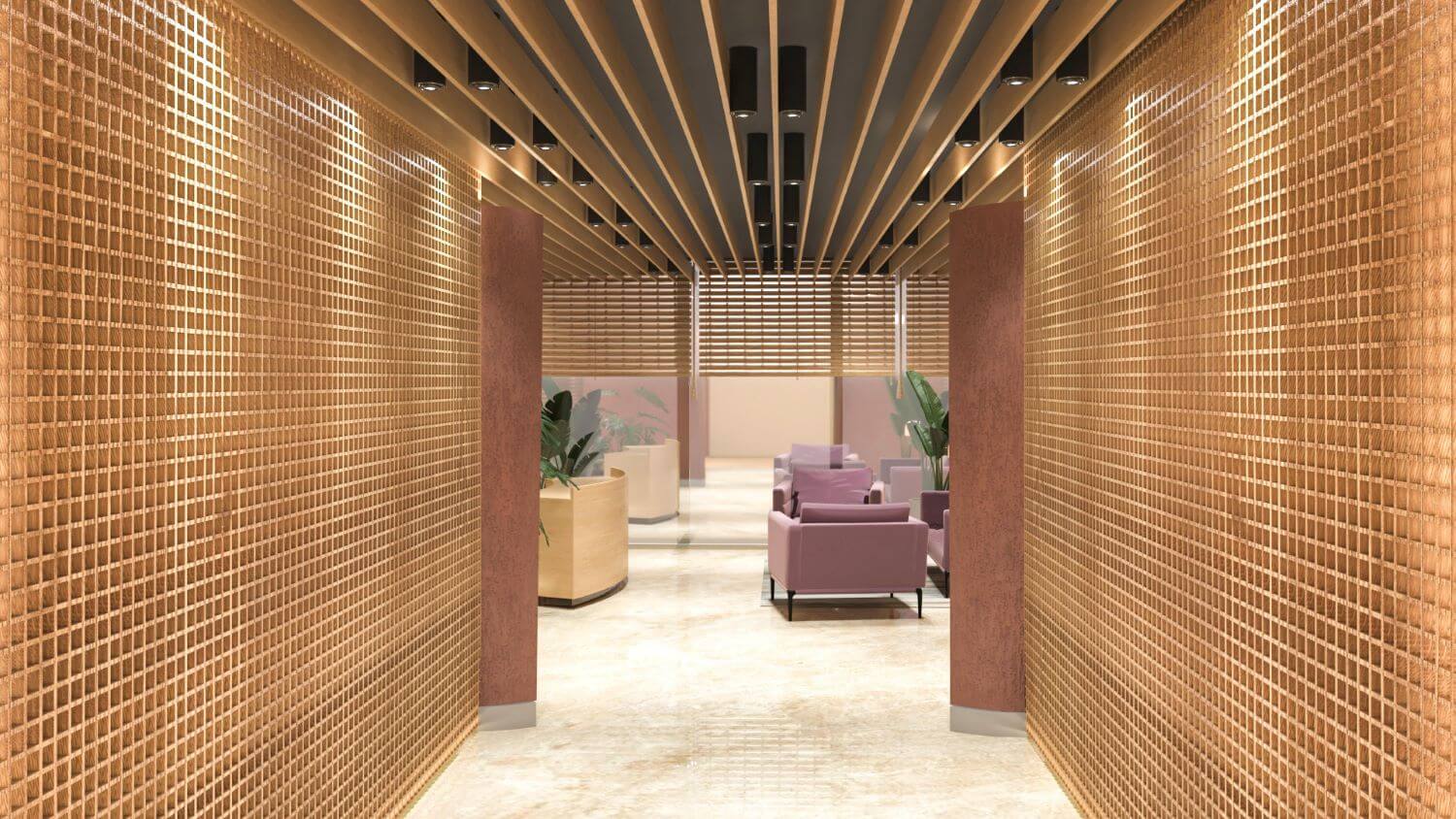
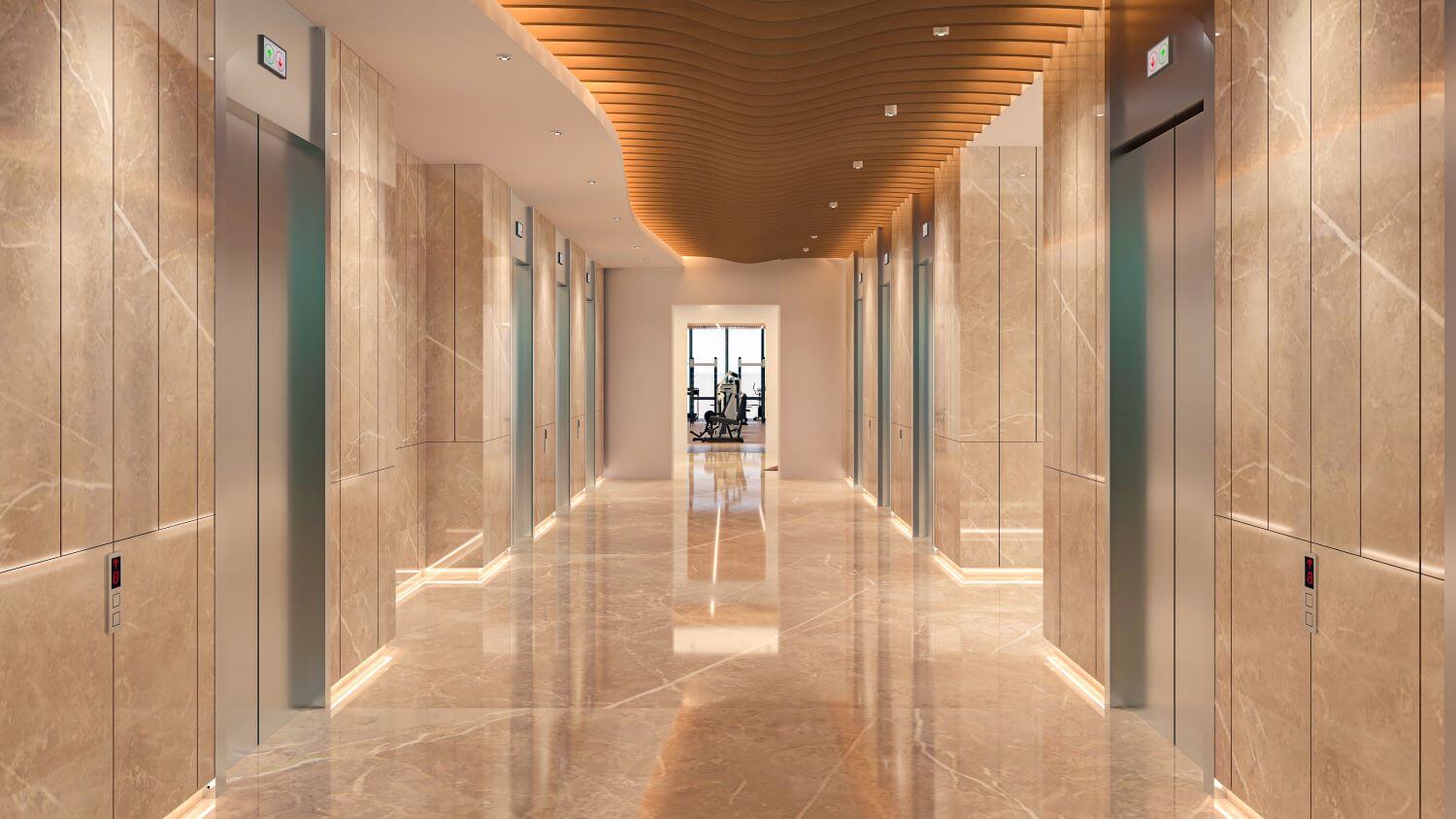
The transitional spaces within the APL and ACC Towers are envisioned as more than just points of circulation; they become active spatial connectors that shape the workplace experience. They are designed as bold, welcoming environments that establish the identity of the office while seamlessly guiding movement across departments. Through strong geometric forms, curated material transitions, and layered lighting, these spaces create moments of pause and orientation, allowing users to experience the workplace as a fluid sequence rather than a collection of isolated functions. Acting as the first point of interaction, these transitional zones set the tone for openness, transparency, and engagement.